


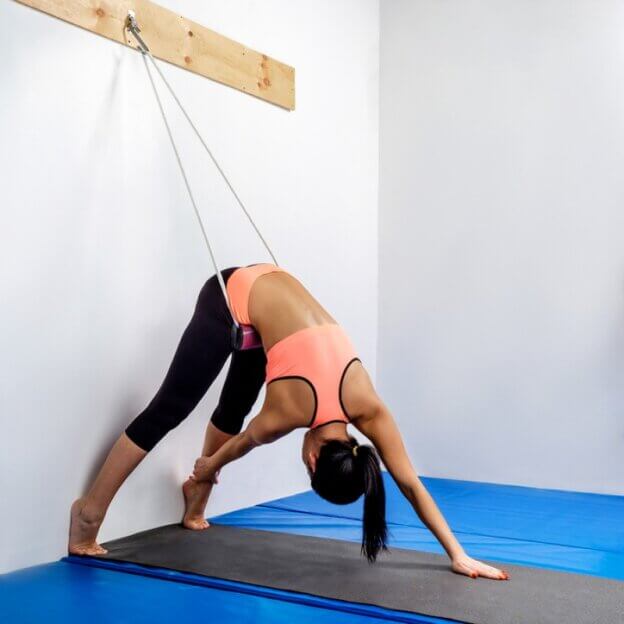
Wall Pilates and Physical Health Benefits
Pilates, people’s physical and mental health supporting a form of exercise method. Developed by Joseph Pilates, this exercise system, is preferred by many people. In recent years, wall Pilates has gained popularity. In this article, we will explain what wall Pilates is, how it is done and the physical health benefits a40> benefits for physical health in detail. In addition, wall Pilates and related questions that people are curious about we will also answer
Wall Pilates What is it?
Wall Pilates, traditional Pilates exercises against a wall are performed in this manner.
Wall, body weight supporting and exercises more effective by a factor as used. This exercise method, whilst preserving the fundamental principles of Pilates, develops balance, flexibility, strength and muscle tone aims to improve .
Wall Pilates How is it done?
Wall Pilates, under the guidance of a professional Pilates instructor or suitable a training video using at home can be done. Basic By following the steps below you can do wall Pilates:
Step 1: Preparation
Put on comfortable workout clothes and place your exercise mat against the wall.
Take off your shoes and choose to work out barefoot or in non-slip workout socks.
Before starting the exercises, take a moment to regulate your breathing and engage your core while maintaining good posture.
Step 2: Wall Exercises

Exercise 1: Wall Bridge With this exercise, you can strengthen your abdominal and back muscles and abs and back muscles can be strengthened. Lie on your back on the floor and place your feet against the wall in a parallel position a18> position against the wall. Breathe in and squeeze your gluteal muscles while lifting your hips upward toward lift then exhale while lower and as the movement continues lift your head and shoulders upward < a41> abdominal muscles by contracting a half crunch do.

Exercise 2: Wall Sit This exercise helps strengthen your leg and calf muscles and improve flexibility. Lean your back against a wall and sit down with your knees bent. Make sure your back is straight, and place your hands on the wall or on your thighs. Inhale as you lift your heels off the ground and raise your heels. Exhale as you return to the starting position.
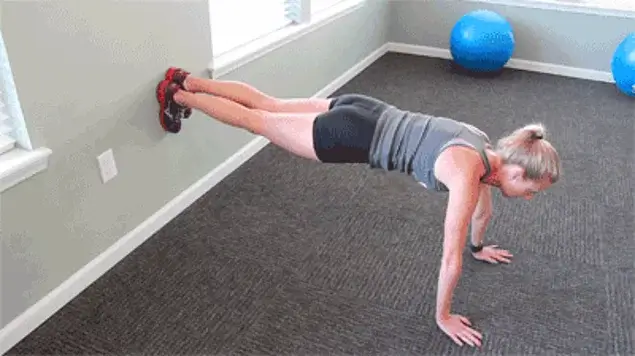
Exercise 3: Wall Plank This exercise can strengthen your abdominal < a9> strengthen and improve your balance skills. Stand close to position bend over and place your legs one at a time against the wall rest them against the wall. Hold your entire body as long as you can while tensing.
If you failed in your first attempts. You can try the current version.
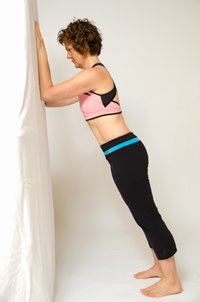
The Physical Health Benefits of Wall Pilates
Wall Pilates offers numerous physical health benefits. Here are the key benefits of this exercise:
Improvement of posture ; Proper posture, in the body balance and alignment ensures. It strengthens the muscles that support the spine and helps correct posture . Good posture, can reduce back and neck pain.
Improving flexibility; Helps improve flexibility in the body. Flexibility increases joint range of motion, reduces muscle tension, and provides muscles with greater freedom of movement.
Building muscle strength; This includes exercises that specifically target the abs, back, legs, and arms. As a result, strong and resilient muscles are developed throughout the body.
Improving balance and stability; The exercise is designed to improve balance and stability. This helps maintain balance during daily activities and reduces the risk of falling.
Breath control development; Pilates emphasizes breath control. Wall Pilates exercises during proper breathing and exhaling techniques are learned. This also promotes relaxation and reduces stress and is beneficial for these purposes.
Body awareness enhancement; Body awareness enhancement aimed at movements includes. Being aware of every muscle group in the body and, makes movements more efficient and effective.
Better sleep; Regular wall Pilates exercises can improve sleep quality and help combat insomnia.
Common Mistakes Made in Pilates
Wall Pilates: It’s important to avoid some common mistakes when doing Wall Pilates. Here are some tips on common mistakes in Wall Pilates and how to prevent them:
Slouching and Hunching; Wall Pilates Proper body alignment is crucial during these exercises. However, one of the most common mistakes is bending or hunching over while performing the exercises. Incorrect posture, especially in the lower back and spine, can lead to unwanted pain and injuries.
How to Prevent It: When starting wall Pilates exercises, make sure your body is properly aligned. Pull your shoulders down and keep your back straight. If you experience lower back or back pain, start with lighter exercises and be careful not to strain your body. You can also check your form by looking in a mirror or having a friend watch you while performing the exercises.
Overexertion
Overexertion during exercises is another common mistake made in wall Pilates. Trying to push your muscles too hard right away can increase the risk of injury and make it harder to achieve the desired results.
How to Prevent It: When starting exercises, choose movements appropriate for your level. Progress slowly and work within your body’s limits. Regular exercise will help you build strength over time and eventually move on to more advanced exercises.
Breath Control
Pilates exercises should be performed using proper breathing techniques. Breath control ensures that movements are performed efficiently and helps your body relax. However, some people may overlook proper breathing technique while doing the exercises.
How to Prevent It: It is important to learn proper breathing techniques before starting exercises. Generally, relax your muscles as you inhale and tense them as you exhale. Pay attention to your breathing rhythm and try to breathe in sync with your movements.
Losing Balance
Wall Pilates exercises, body balance improvement help while, some people may lose their balance while performing the exercises.
How to Prevent It: Perform the movements slowly and with control to maintain your balance. If you have trouble maintaining your balance at first, you can do the exercises while holding onto a support or using a chair. Your balance will improve over time.
Form Distort
Wall Pilates exercises must be performed with proper form. Incorrect form can reduce the effectiveness of the exercises and lead to adverse effects.
How to Prevent It: Pay attention to your form while doing the exercises and perform the movements in a controlled manner. If you have trouble maintaining proper form, you can seek help from a Pilates instructor or follow along with video guides.
Wall Pilates and Other Exercise Types Differences Between
Wall Pilates differs from other types of exercise in several ways. Here are the key differences between Wall Pilates and other types of exercise:
Support and Anchor Point
Wall Pilates: Wall Pilates is a technique where exercises are performed by leaning against a wall or using the wall. The wall provides support to the body, allowing you to perform movements in a more controlled manner. Exercises performed against a wall distribute your body weight evenly, offering an additional point of support and stability.
Other Types of Exercise: In other types of exercise, additional support or a point of contact is generally not used. For example, bodyweight exercises are performed without equipment such as resistance bands or weights.
Body Awareness
Wall Pilates: Wall Pilates exercises enhance your body awareness and help you engage your muscles more consciously. The movements performed against a wall help you feel more in tune with your body and maintain proper form.
Other Types of Exercise: Body awareness is important in other types of exercise as well, but they may not require as much focus or conscious effort as exercises performed against a wall.
Flexibility and Range of Motion
Wall Pilates: Wall Pilates exercises increase range of motion and improve flexibility by utilizing the wall. The support of the wall allows muscles to work in a longer, more controlled manner.
Other Exercise Types: Other exercise types also flexibility and range of motion are important, however wall Pilates is as intense a17> form may not be focused on this topic.
Target Muscle Groups
Wall Pilates: Wall Pilates, typically legs, glutes, abs, back and arm muscles targeting exercises includes. Movements performed while leaning against a wall, are specifically designed to strengthen the core of the body.
Other Exercise Types: Other exercise types, wall Pilates like special a focus does not require and can work out a broader range of muscle groups. For example, weight lifting exercises target more muscle group target.
Equipment Usage
Wall Pilates: Wall Pilates requires basic equipment such as a yoga mat, a wall, and a resistance band. Exercises performed against the wall are supplemented with additional equipment.
Other Types of Exercise: Other types of exercise vary and may involve the use of various pieces of equipment. For example, exercises performed at the gym often involve the use of weights, machines, and other equipment.
Frequently Asked Questions
Is it suitable for everyone ?
-Yes, it is generally a suitable form of exercise for everyone. However, if you have a chronic condition, it is recommended that you consult your doctor before starting a new exercise program.
How many times should it be done?
-Your exercise program may vary depending on your personal needs and goals. Doing it 2–3 times a week is usually sufficient.
Does it help with weight loss?
-A regular exercise program and along with a5> healthy diet can help you lose weight on its own. However on its own it does not lead to weight loss.
How long does it take for results to appear?
-Everyone’s body may react differently, but with and proper exercises done regularly a12> a few weeks within the first results can be seen it is possible.
Can pregnant women do it?
-Exercising during pregnancy is generally beneficial, however during pregnancy it is important to consult your doctor before starting.

