Home Blog

Lahmacun: Athletes and Dieters For Is it suitable?

0
lahmacun
Lahmacun

As you know, fitness and nutrition are inseparable. We often think about what to eat during bulking and cutting phases. I want to talk about food that is both healthy and will keep us strong during training.

LAHMACUN

You swallowed hard, didn’t you? 🙂 But on the other hand, you’re wondering if you’ll gain weight. Don’t worry. Lahmacun is an extremely beneficial, filling and energy-boosting food. Now let’s take a closer look at this delicious dish.

Evde kendi uyguladığım tarifi de video olarak paylaşacağım. Şimdiden afiyet olsun.


Lahmacun Nutritional Values and Calories

Nutritional Values and Sports Nutrition

Carbohydrates, protein and fat balance providing a food for athletes as an ideal meal may be. One piece of lahmacun has the following average nutritional values:

  • Calories: 180-250 calories (depending on size and ingredients)
  • Carbohydrates: 30-40 grams
  • Protein: 10-15 gram
  • Fat: 5-8 grams

These nutritional values, demonstrate why lahmacun is a suitable option for athletes. Carbohydrates, before training and a15> after exercise energy requirements are important. Proteins, muscle repair and growth of muscle provide the building blocks necessary for their function and maintenance of the body and its systems and organs and tissuesFats on the other hand in the body energy stores renewal assists will be.

The Benefits of Lahmacun From a Scientific Perspective From a Scientific Point of View The Benefits

Protein Source

Lahmacun topped with minced meat mixture is an important source of nutrition for athletes’ muscle development and repair due to its high protein content. Protein is a fundamental macronutrient for muscle tissue renewal and strengthening. Protein intake is particularly important for athletes who train intensively. Lamb lahmacun, with its high protein content from lamb meat, is an excellent option for meeting athletes’ protein needs.

Energy Source Carbohydrates

From dough derived carbohydrates, play an important role in meeting the energy needs of athletes. Exercise and training during the energy expended can be replenished, can be replenished thanks to carbohydrates again. Carbohydrates ensure the replenishment of muscle glycogen stores and this also increases endurance. This also increases endurance. This also increases endurance. This also increases endurance. This also increases endurance. This a28> this also increases endurance and. Lahmacun, both quickly digested simple carbohydrates and also more slowly digested complex carbohydrates with its content balanced a energy source.

Vitamins and Minerals

Lahmacunda uses vegetables and spices that are rich in vitamins and minerals, strengthening the immune system and supporting overall health. Nutrients such as vitamin C, iron and zinc can particularly enhance athletes’ performance. Ingredients such as tomatoes, onions, peppers and parsley help protect cells with their antioxidant properties. Vitamin C supports the immune system, while iron increases oxygen-carrying capacity.

How to Make Lahmacun

Ingredients

  • 250 grams of minced meat
  • 1 piece dry onion
  • 2 cloves of garlic
  • 1 adet domates
  • 1 piece green pepper
  • 1 bunch parsley
  • 2 tablespoons of tomato paste
  • 2 tablespoons of chilli paste
  • Salt, black pepper, chilli flakes, isot
  • Dough for flour, water, salt

Construction Phase

  1. Preparing the dough: Flour, water and salt are mixed to form a soft dough. The dough is left to rest and then divided into small pieces.
  2. Preparation of the filling: Minced meat, grated onion, garlic, chopped tomato, pepper and parsley, tomato paste and spices are mixed in a bowl.
  3. Preparation of Lahmacun: The dough pieces are rolled out thinly and roundly. The prepared filling is spread on top.
  4. Pişirme: Lahmacunlar, önceden ısıtılmış fırında veya taş fırında yüksek sıcaklıkta pişirilir.

These stages, while preserving the traditional flavour of lahmacun at the same time time nutritional values are optimal and ensures. Cooking time and temperature, ensures the crispiness and taste of the lahmacun is optimal. Yufka lahmacun, can be a lighter option to choose as preferred by some. Lahmacun made using yufka is thin, and with its light and light structure makes it an ideal alternative for athletes.

The Benefits of Lahmacun For Athletes For The Benefits

Performance Enhancing Effects

Containing high protein and carbohydrates can improve athletes’ performance. Protein supports muscle development while carbohydrates raise energy levels . This allows athletes training and competitions during higher performance can demonstrate. Especially during intense training periods to meet energy requirements for a33> lahmacun consumption can be beneficial for.

Muscle Repair and Growth

Muscle repair and growth are of great importance for athletes. The protein contained in lahmacun accelerates muscle tissue repair, supporting recovery after training. In addition, minerals such as zinc and iron improve muscle function. Zinc supports protein synthesis and muscle growth, while iron ensures oxygen transport to the muscles.

Boosting the Immune System

The vegetables and spices used, immunity system strengthening antioxidants and vitamins contains. Especially vitamin C and vitamin A , help athletes resist illnesses and become more resilient. Reducing the oxidative stress that occurs in the body after training. is important for maintaining the general health of athletes. Antioxidants play an important role in this process.

Calorie Control and Nutritional Balance

Calorie Control

Calorie intake is important for athletes in terms of maintaining energy balance. The calorie content of lahmacun can be adjusted to suit athletes’ daily energy requirements. The amount of lahmacun to be consumed in a single meal should be determined according to athletes’ training programmes and energy expenditure. By calculating calories, lahmacun consumption can be regulated to meet athletes’ requirements.

Nutritional Balance

Lahmacun can easily be added to athletes’ nutrition programmes as it provides a balance of carbohydrates, protein and fat. Adequate and balanced nutrition improves athletes’ performance, thereby increasing training efficiency. Balanced nutrition ensures that all bodily functions work optimally. Lahmacun is an ideal choice for achieving this balance.

Different Types of Lahmacun

Lamb Lahmacun

Lamb lahmacun is a special type of lahmacun prepared using lamb meat instead of minced meat. Lamb meat, with its high protein and iron content, can be effective in meeting the nutritional needs of athletes. In addition, the flavour of lamb meat adds a different taste to lahmacun. Lamb is easier to digest than other types of meat, allowing athletes to obtain the necessary nutrients without experiencing stomach discomfort.

Thin-crusted Lahmacun

Traditional lahmacun dough instead of yufka using prepared is an alternative. Yufka lahmacun, being more thin and lighter is a16> because of this athletes for ideal a snack can be. Thanks to its thin structure, it is easy to digest and contains fewer calories. a30> calories it contains. This also offers a suitable option for athletes’ diet programmes.

Methods of Cooking Lahmacun

Lahmacun in the oven

Klasik pişirme yöntemlerinden biridir. Yüksek sıcaklıkta kısa sürede pişirilmesi, lahmacunun iç harcının ve hamurunun dengeli bir şekilde pişmesini sağlar. Fırında pişirilen lahmacun, çıtır yapısıyla beğenilen bir lezzettir.

Stone Oven Lahmacun

It is one of the traditional cooking methods and stands out for its flavour. The high temperature and even heat distribution of the stone oven ensure that the lahmacun is crispy and tasty. Cooking in a stone oven gives lahmacun a unique aroma.

A Lahmacun Consumption Guide for Athletes

Pre- and Post-Workout Consumption

Pre-Workout: Pre-Workout before energy needs to meet is excellent option for. Its carbohydrate content raises energy levels and boosts performance by increasing energy levels. A lahmacun consumed approximately 2-3 hours before training, athletes’ performance positively in a positive direction can affect.

Post-Workout: Consuming lahmacun after training can be beneficial for muscle repair and replenishing energy stores. The combination of protein and carbohydrates accelerates muscle tissue repair and balances energy levels. Eating lahmacun after training supports the recovery process by reducing muscle fatigue.

Frequency of Consumption and Portion Control

Frequency of Consumption: Lahmacun can be consumed 1-2 times a week as part of a balanced diet. It is recommended that athletes consume it alternately with other sources of protein and carbohydrates to ensure variety in their nutrition programme.

Portion Control: One meal to be consumed lahmacun amount, should be determined according to the energy and nutritional needs of athletes. Generally one or two pieces of lahmacun for athletes may be sufficient . Portion control, weight management and general health are important.

Lahmacun and Diet

High-Protein Diets

High-protein diets are among the types of diets preferred by athletes to increase muscle mass and support fat burning. Lahmacun, with its high protein content, is a food suitable for such diets. Lamb lahmacun, with its high protein content, is particularly suitable.

Low-Carbohydrate Diets

Low-carbohydrate diets are diets that aim to promote weight loss by limiting carbohydrate intake. Yufka lahmacun, with its thin and light texture, is a suitable alternative for low-carbohydrate diets. Thanks to its low carbohydrate content, it can be included in these diets.

The Effects of Lahmacun on Health

Heart Health

A balanced fat content and antioxidant properties can have positive effects on heart health. In particular, the unsaturated fats found in lamb support cardiovascular health. Regular and balanced consumption of lahmacun can help protect heart health.

Digestive Health

The vegetables and spices used have properties that support digestive health. Onions and garlic, in particular, contain prebiotics that aid digestion and improve gut health. Furthermore, the fibre content of lahmacun contributes to the regular functioning of the digestive system.

Lahmacun and Prices

Price Factors

Kullanılan malzemelerin kalitesi, hazırlanış yöntemi ve sunulduğu mekanlara göre değişiklik gösterir. Özel malzemelerle hazırlanan kuzu lahmacun gibi çeşitler, standart lahmacunlara göre daha yüksek fiyatlı olabilir. Ayrıca, lahmacunun pişirildiği fırın türü ve mekanın bulunduğu bölge de fiyatları etkileyen faktörlerdendir.

Price Ranges

Depending on the region and the quality of the ingredients it may vary accordingly as a difference may be observed. Standard lahmacun can cost on average between 5 dolars while prepared with special special ingredients prepared lamb lahmacun and similar varieties can be priced between 10 Dolar. Yufka lahmacun such as light and thin varieties, are usually more affordable priced can be.

Result

Lahmacun is a healthy and nutritious product of traditional Turkish cuisine and is also an ideal food source for athletes. Scientific benefits When examined, lahmacun’s high protein content, energy-giving carbohydrates and immune system-boosting vitamins can be seen to enhance athletes’ performance. Furthermore, lahmacun’s preparation and nutritional values can be adjusted to suit athletes’ dietary programmes.

A lahmacun consumption tailored to athletes’ daily energy and nutritional needs can contribute to a healthier and more balanced lifestyle by enhancing their performance. Therefore, lahmacun stands out as an important meal alternative that can be considered in sports nutrition.

The link above contains our nutrition topics. I highly recommend reading it. We will share the meals we frequently consume as athletes to the best of our ability. You can send us your meal suggestions in the comments section.

Weight Loss Medications

0

Weight loss drugs have emerged as a product of the search for solutions to the rapidly increasing obesity problem of our time. Today, the use of weight loss drugs and weight loss pills supports and sometimes even accelerates the weight loss process when combined with diet and exercise. However, there are many important details to be aware of regarding the effectiveness and safety of these drugs.

Weight Loss Medications Effects and Areas of Use

Weight loss Medications Effect Mechanisms

Weight loss medication and slimming medication products generally work through mechanisms such as appetite suppression, metabolism boosting, and reducing fat absorption. These medications, which come in the form of weight loss pills, enable the user to consume fewer calories or burn more calories. For example, active ingredients such as orlistat, sibutramine, and lorcaserin promote weight loss through different mechanisms.

Orlistat (Xenical, Alli), in the intestines fat absorption by inhibiting weight loss promotes it does. Sibutramine (Meridia) on the other hand suppresses appetite and speeds up metabolism and. Lorcaserin (Belviq) affects the brain’s appetite control centre a27> thereby satiety feeling increases. Each drug has a different mechanism of action and each has a different effect and users individual needs according to preference is made.

Different Weight Loss Medications and Their Effectiveness

The question of which is the most effective weight loss drug in the world is a topic that users often wonder about. Although products with bold claims such as weight loss medication that helps you lose 10 kilos in a month are available on the market, the effects of these medications can vary from person to person due to each individual’s unique metabolic structure and health status. The efficacy and safety profiles of some popular weight loss medications on the market are as follows:

On the market Popular Weight loss Medicines

Orlistat (Xenical, Alli)

Benefits: Orlistat works by reducing the absorption of fats in the body. This reduces the amount of calories consumed and promotes weight loss. Orlistat helps control weight by expelling the undigested portion of fat. Clinical studies have shown that individuals using orlistat experienced greater weight loss compared to the placebo group.

Side Effects and Adverse Reactions: Orlistat may cause side effects such as gas, abdominal pain, oily stools, and frequent bowel movements during the digestion of fatty foods. Long-term use may reduce the absorption of fat-soluble vitamins (A, D, E, K). Therefore, taking a multivitamin supplement while using orlistat may be advisable.

Sibutramin (Meridia)

Benefits: Sibutramine aids weight loss by suppressing appetite and increasing feelings of fullness. By affecting the central nervous system, it enables users to feel satisfied with less food. Sibutramine supports weight loss while also boosting metabolism and increasing energy.

Risks and Side Effects: It may cause side effects such as increased heart rate and blood pressure, sleep problems, headaches, and dry mouth. It poses a risk for individuals with heart conditions. Sibutramine has been banned in many countries as it can cause serious cardiovascular side effects.

Lorcaserin (Belviq)

Benefits: Lorcaserin acts on the appetite control centre in the brain to increase feelings of fullness. It helps users feel satisfied with less food. Lorcaserin may have fewer side effects than other weight loss medications and can provide long-term weight control.

Risks and Side Effects: It may cause side effects such as headache, dizziness, fatigue, nausea, and constipation. Further research is needed regarding its long-term safety. Additionally, it has been noted that lorcaserin may have psychological side effects in some users.

Lida Weight Loss Pills

Benefits: Lida slimming pills are known for their herbal ingredients and appetite-suppressing properties. They are used to promote weight loss. Lida slimming pills are generally considered safer by users because they are made from natural herbal extracts.

Harmful Effects and Side Effects: There is insufficient scientific data regarding the side effects and safety of this product. Although it is herbal, some users have reported side effects such as headaches, nausea and heart palpitations. Lida slimming pills are a product that should be used with caution, as their effects on health with regular use are not fully known.

Weight Loss Medicines Sold in Pharmacies

Phentermine (Adipex-P, Lomaira)

Benefits: Phentermine suppresses appetite by stimulating the central nervous system. It can be an effective weight loss tool for short-term use. Phentermine increases energy levels in the body, encouraging users to be more active and thereby increasing calorie burn.

Side Effects and Adverse Reactions: Side effects such as high blood pressure, insomnia, irritability, headache, and palpitations may occur. Long-term use is not recommended. Furthermore, phentermine has the potential for dependence and therefore requires controlled use.

Doctors’ Recommended Weight Loss Medications

Weight loss medications recommended by doctors are generally clinically tested and approved products. These medications aim to maintain the highest level of safety for users. Doctors assess the individual’s health condition, determine the most suitable medication, and carry out the necessary checks during the usage process.

Weight Loss Medications Risks and Side Effects

Side Effect Profile

Weight loss medication use may cause users to experience certain side effects. Common side effects of using weight loss medication include headaches, nausea, insomnia, and irritability. These side effects may vary depending on the medication’s composition and the individual’s bodily response.

Long-Term Use and Safety

Weight loss drugs can cause serious health problems when used over the long term. Negative effects may be seen on heart health, liver function and hormonal balance. Therefore, products other than weight loss drugs recommended by doctors should be used with caution. Furthermore, the changes that long-term medication use can cause in the gut and digestive system should also be taken into account.

Precautions to Take When Using Weight Loss Medications

Dosage and Usage Instructions

En iyi zayıflama ilacı olarak bilinen ürünlerin bile, yanlış kullanım durumunda ciddi yan etkilere yol açabileceği unutulmamalıdır. Kullanıcılar, ilacın önerilen dozajını aşmamalı ve kullanım talimatlarına dikkatle uymalıdır. Her ilaç, belirli bir kullanım süresi ve dozajla sınırlıdır ve bu sınırlara uyulmaması durumunda ciddi sağlık sorunları ortaya çıkabilir.

Doctor Check-ups and Consultations

If the use of weight loss medication is being considered, a healthcare professional should be consulted first. Doctors can assess an individual’s health and recommend the most suitable weight loss medication. Furthermore, regular monitoring and check-ups should be carried out during the course of medication use to ensure that any potential side effects are detected early on.

Alternative Methods

Weight loss medications use alongside sequence, natural and more long-term weight loss methods should also be kept in mind a14> beforehand is important. Diet and exercise programmes, psychological support and lifestyle changes are also permanent weight control for effective methods. Furthermore, in some cases, surgical interventions may also be considered.

Interactions and Combination Therapies

Weight loss medications may interact with other medications or supplements. Therefore, it is important to discuss your current health status and other medications you are taking with your doctor before using a weight loss medication. Combination therapies may be effective in some cases, but potential risks and side effects should be considered.

Metabolic Surgery and Other Interventions

For some individuals, weight loss medications may not be sufficient. In such cases, more invasive methods such as metabolic surgery may be considered. Procedures like gastric bypass and laparoscopic adjustable gastric banding can be effective in severe obesity cases. However, these types of surgical interventions also carry risks and complications.

En İyi Zayıflama İlaçları ve Klinik Değerlendirmeler

Phentermine/Topiramate (Qsymia)

Benefits: Qsymia, phentermine and topiramate combination withClinical studies have demonstrated that this combination achieves significant weight loss.

Side Effects and Adverse Reactions: It may cause side effects such as high blood pressure, palpitations, insomnia, and irritability. Furthermore, the compound topiramate may increase the risk of birth defects and should therefore not be used by pregnant women.

Naltrekson/Bupropion (Contrave)

Benefits: Contrave increases appetite control and reduces addictive eating behaviours through a combination of naltrexone and bupropion. Clinical studies show that this medicine aids in the weight loss process.

Side Effects and Adverse Reactions: Side effects such as nausea, headache, constipation, and insomnia may occur. Additionally, the bupropion compound may increase the risk of seizures.

Long-Term Weight Management and Lifestyle Changes

Weight Loss and Weight Maintenance Strategies

Weight loss medications short-term benefits in addition as a supplement, long-term weight management strategies should be adopted for sustainable weight management. Balanced nutrition, regular physical activity and healthy lifestyle habits, permanent weight control is necessary for. Weight loss pills use, when not supported by lifestyle changes, lasting results achieved may be difficult.

Psychological Support and Behavioural Therapy

Psychological support and behavioural therapy also play an important role in weight management. Changing eating habits, controlling emotional eating behaviours and maintaining motivation are critical for sustainable weight loss.

Result

Weight loss medications can be effective in the process of losing weight a a6> aid in the process of losing weight and long-term use risks should be kept in mind. The most effective weight loss pill and in pharmacies the best a30> weight loss medication searching for individuals, must consult a doctor and follow their advice before taking any action with weight loss. Healthy lifestyle and balanced nutrition unsupported weight loss medication should be avoided. a51> unsupported weight loss medication use, may not produce the expected results.

This article aims to provide a scientific perspective on the effectiveness and safety of weight loss medications, enabling you to make informed and healthy choices. Accessing accurate information is crucial for a healthy and balanced lifestyle.

Never use medication without consulting your doctor.

https://fitnessandbeast.com/supplementler/yag-yakicilar/

Whey Protein Powder: Its Effects on Health and Performance

0
Whey Protein Powder
Whey Protein Powder

Whey protein powder is a popular dietary supplement among athletes and health-conscious individuals. Protein plays a critical role in muscle repair and growth, immune system function, and maintaining overall health. Whey protein is a type of protein derived from milk and is a high-biological-value protein source. In this article, we will discuss the benefits, usage, potential side effects, and production process of whey protein.


Whey Protein What is it?

Whey protein, cheese production during milk separated liquid part known as “whey” (cheese whey water) is obtained from. Whey is rich in protein and contains vitamins and minerals. vitamins and minerals. Whey protein is usually sold in powder form and is mixed with water, milk or other drinks by mixing it in and consuming it.

Whey Protein Types

Whey protein powders are generally available in three main forms:

  1. Whey Protein Concentrate (WPC): Protein content varies between 70-80%. It contains a certain amount of lactose, fat and carbohydrates.
  2. Whey Protein Isolate (WPI): It has a protein content of over 90% and contains almost no lactose or fat. It is a purer source of protein.
  3. Whey Protein Hydrolysate (WPH): Contains pre-digested proteins, which allows for faster absorption by the body.


Whey Protein Powder Benefits

Muscle Development and Repair

Whey protein powder is an ideal protein source for muscle development and repair. The amino acids it contains, particularly leucine, promote muscle protein synthesis and aid in the repair of muscle tissue. Consuming whey protein after exercise supports rapid muscle recovery.

Weight Control

Whey protein powder is also beneficial for weight control and fat loss. Protein promotes a feeling of fullness and helps control calorie intake. Furthermore, whey protein accelerates metabolism, encouraging greater calorie burning.

Immune System Support

Whey protein, bağışıklık sistemini destekleyen çeşitli bileşenler içerir. Özellikle, glutamin ve immünoglobulinler, bağışıklık fonksiyonlarını artırır ve enfeksiyonlara karşı koruma sağlar. Düzenli whey protein tüketimi, bağışıklık sisteminin daha güçlü çalışmasına yardımcı olabilir.


Whey Protein Powder Production Process

The production process of whey protein powder involves scientific and technical steps. Here is detailed information on how whey protein powder is produced:

1. Milk Collection and Pasteurisation

  • Milk Collection: The production process begins with the collection of fresh milk. The milk is transported to cheese production facilities.
  • Pasteurisation: Milk, harmful bacteria are eliminated in order to pasteurise it is pasteurised. This process is carried out by heating the milk to a specific temperature for a short period of time. a17> period by heating carried out.

2. Cheese Production and Whey Separation

  • Coagulation: Pasteurised milk is added cheese rennet and clotting is achieved. At this stage, the milk solid parts (casein) and liquid parts (whey) are separated.
  • Whey Separation: The whey (whey) that forms is separated from the solid cheese portions and collected.

3. Filtration and Concentration

  • Microfiltration: Whey is purified using a process called microfiltration, which separates the protein from other components. This process removes unwanted particles and impurities.
  • Ultrafiltration: Following microfiltration, the ultrafiltration process concentrates the whey protein. This stage produces the whey protein concentrate (WPC).

4. Isolation and Hydrolysis

  • Protein Isolation: To obtain a higher protein content, whey protein isolate (WPI) is produced. In this process, the whey protein obtained by ultrafiltration is further purified.
  • Hydrolysation: Whey protein hydrolysate (WPH) is produced by breaking down protein molecules with enzymes. This enables the protein to be absorbed more quickly.

5. Drying and Packaging

  • Spray Drying: Concentrated whey protein is converted into powder using the spray drying method. This process ensures that whey protein can be stored for long periods.
  • Packaging: Dried whey protein powder is packaged under hygienic conditions and made ready for sale.


Whey Protein Powder Usage and Dosage

Whey protein powder must be used correctly and in the right dosage to be effective. Generally, 20-30% of the daily protein requirement can be met with whey protein. The recommended dosage for athletes and individuals who train intensively may be 1.2-2.2 grams of protein per kilogram of body weight. However, each individual’s protein requirement is different and should be adjusted according to personal needs.

Correct Usage Methods

  • Post-Workout: Consuming whey protein within 30 minutes after exercise accelerates muscle recovery.
  • Snacks: Can be used as a healthy source of protein between main meals.
  • Recipes: Protein content can be increased by adding it to recipes such as smoothies, yoghurt, and oatmeal.


Whey Protein Powder Side Effects and Precautions to be taken

Whey protein powder is generally considered safe, but excessive consumption may cause some side effects. Individuals with lactose intolerance may experience stomach discomfort, bloating, and gas problems. Furthermore, excessive protein intake can affect kidney function. Therefore, it is important to consult a healthcare professional before using whey protein powder.

Quality and Reliability

When purchasing whey protein powder, quality and reliability are important factors. Choosing certified and reputable brands ensures the purity and effectiveness of the product. It is also important to carefully read the product’s ingredients and avoid additives.


Whey Protein Powder Applications

Sport and Fitness

Whey protein powder is a popular supplement among athletes and fitness enthusiasts. It is used to accelerate post-exercise muscle recovery, increase muscle mass and improve overall performance. Whey protein powder is an ideal choice, particularly for those who do resistance training and high-intensity interval training (HIIT).

Health and Wellness

Whey protein powder is beneficial not only for athletes but also for general health and wellness. It can be used to prevent muscle loss in older individuals, aid in weight management, and support the immune system. It is also a suitable protein source for those following high-protein diets.

Special Diets

Whey protein powder can be used appropriately in various diet programmes. It is an ideal supplement for meeting protein requirements in specialised nutrition plans such as low-carbohydrate, ketogenic or paleo diets. For individuals with lactose intolerance, isolated whey protein products may be preferred.


Result

Whey protein powder can be an important part of a healthy lifestyle. It offers numerous benefits for muscle development, weight control, immune support and overall health. However, correct usage and dosage are important and should be adjusted according to individual needs. Consulting a healthcare professional before using any supplement is important to avoid potential side effects and achieve the best results.

Ideal Weight Calculation: The Key to a Healthy Life

0

Maintaining a healthy weight range is important for leading a healthy life. Ideal weight calculation is one of the most critical steps in this process. However, understanding what ideal weight means and how it should be calculated is necessary to take the right steps in this regard. In this article, we will discuss in detail the basics of ideal weight calculation, the methods used, the factors that influence it, and what to pay attention to for a healthy life.


Ideal Weight What is it and Why is it important?

Ideal weight refers to a healthy body weight that is appropriate for an individual’s height, gender, age and physical build. Being at an ideal weight not only provides an aesthetic appearance, but also helps prevent many health problems. Being overweight or underweight can increase risk factors for diabetes, heart disease, osteoporosis and other chronic diseases.

For this reason, ideal weight calculation is an important tool for individuals to assess their overall health and shape their lifestyle accordingly.


Ideal Weight Calculation Methods

1. Body Mass Index (BMI)
One of the most commonly used methods, BMI is calculated by dividing a person’s weight by the square of their height. The formula is as follow

BMI = Body Mass Index
Metric: BMI = Body Weight (kg) ÷ Height² (m²)
US Units: BMI = Body Weight (lb) ÷ Height² (in²) × 703

Based on BMI results, individuals are classified into the following categories:

  • Below 18.5: Underweight
  • 18,5 – 24,9: Normal
  • 25 – 29.9: Overweight
  • 30 and above: Obese

Although BMI serves as a general guide, it does not take into account an individual’s muscle or bone structure, nor their body fat percentage.

2. Waist-to-Hip Ratio (WHR)
This method measures the ratio of a person’s waist circumference to their hip circumference. It is particularly important for assessing fat distribution in the abdominal area.

WHR = Waist Circumference (cm) ÷ Hip Circumference (cm)
US Units: WHR = Waist Circumference (in) ÷ Hip Circumference (in)

Values above 0.9 for men and 0.8 for women may indicate unhealthy fat distribution.
Note: The ratio is the same regardless of units used (cm or inches).

3. Body Fat Percentage Measurement
Body fat percentage measurement may also be considered in the ideal weight calculation process. The percentage of fat in an individual’s total body weight is determined using biometric devices or skinfold measurements.

4. Calculation Based on Individual Factors
Factors such as gender, age, genetic makeup and level of physical activity should also be taken into account when calculating ideal weight. For example, the ideal weight ranges for an athlete and a sedentary individual may differ.


Ideal Weight Calculation Influencing Factors

  1. Gender: As men generally have a higher muscle mass ratio, the ideal weight calculation may vary depending on gender.
  2. Age: As we age, our metabolism slows down, which affects the calculation of our ideal weight.
  3. Genetic Structure: An individual’s body type and genetic predispositions can determine their weight distribution and ideal weight range.
  4. Physical Activity: An active lifestyle affects weight calculation by increasing muscle mass.

Healthy A Life For Ideal Weight Maintaining

Ideal weight calculation is only a starting point. Maintaining this value requires a balanced diet and regular physical activity. When establishing a healthy lifestyle, the following points should be considered:

  1. Balanced Nutrition: It is necessary to consume protein, carbohydrates, fats, vitamins and minerals in a balanced manner.
  2. Active Lifestyle: Exercising at a moderate level for at least 150 minutes per week helps you maintain your ideal weight.
  3. Regular Sleep: Insufficient sleep can lead to weight gain, so care should be taken to get 7-9 hours of sleep per day.
  4. Stress Management: Stress can make weight control difficult by affecting hormone levels. Methods such as meditation and breathing exercises can be beneficial.

Common Mistakes in Ideal Weight Calculation

  • Sticking to a Single Method: Focusing solely on BMI may mean overlooking other important factors.
  • Short-Term Solutions: Rapid weight loss methods are generally unsustainable and can negatively impact health.
  • Goals That Do Not Meet General Standards: Every individual’s body structure is different. It is more appropriate to set a personal goal rather than comparing yourself to others.

Result

The foundation of a healthy life lies in maintaining an ideal weight range. However, when calculating your ideal weight, factors such as individual characteristics, lifestyle, and genetic makeup must be taken into account. This process is important for both physical and mental health. It is possible to maintain your ideal weight with the right methods and a disciplined approach. Develop healthy habits, understand your body, and strive for long-term quality of life.

Remember, health is a journey, and every step you take on this journey improves the quality of your life.

Ideal Weight Calculation: Sample Calculation

Let us perform a sample calculation using the Body Mass Index (BMI), one of the ideal weight calculation methods. We will also add examples of waist-to-hip ratio and body fat percentage calculations to make the topic more understandable.


Body Mass Index (BMI) Calculation Example

Formula:
BMI = Body Weight (kg) ÷ Height² (m²) (Metric)
BMI = Body Weight (lb) ÷ Height² (in²) × 703 (US Units)

Example:

  • Height: 1.70 m (5 ft 7 in)
  • Weight: 70 kg (154 lb)

Calculation (Metric):
BMI = 70 ÷ (1.70 × 1.70)
BMI = 70 ÷ 2.89
BMI ≈ 24.2
Calculation (US Units):
BMI = 154 ÷ (67 × 67) × 703
BMI = 154 ÷ 4489 × 703
BMI ≈ 24.1

Result:
Since the BMI value is 24.2, this individual falls into the “Normal” category. This indicates that the person is within the ideal weight range.


Waist-to-Hip Ratio (WHR) Calculation Example

Formula:
WHR = Waist Circumference (cm) ÷ Hip Circumference (cm) (Metric)
WHR = Waist Circumference (in) ÷ Hip Circumference (in) (US Units)

Example:

  • Waist Circumference: 80 cm (31.5 in)
  • Hip Circumference: 100 cm (39.4 in)

Calculation (Metric):
WHR = 80 ÷ 100
WHR = 0.8
Calculation (US Units):
WHR = 31.5 ÷ 39.4
WHR ≈ 0.80

Result:
This person is for women with a6> recommended maximum value of 0.8 limit place takes. However, if it were a man then this ratio would be considered a healthy value as such accepted by all.


Fat Ratio Calculation Example

Various methods can be used to measure body fat percentage. For an example calculation, we can use a general formula for women and men:

Formula (For Men):
Body Fat Percentage (%) = (1.20 × BMI) + (0.23 × Age) − (10.8 × Sex) − 5.4

Formula (For women):
Body Fat Percentage (%) = (1.20 × BMI) + (0.23 × Age) − (10.8 × Sex) + 5.4

Note: For the gender value, males are assigned 1 and females are assigned 0.

Example (Male):

  • Age: 30
  • VKI: 24.2

Calculation (Metric / US Units):
Body Fat Percentage (%) = (1.20 × 24.2) + (0.23 × 30) − (10.8 × 1) − 5.4
Body Fat Percentage (%) = 29.04 + 6.9 − 10.8 − 5.4
Body Fat Percentage (%) ≈ 19.7%

Result:
This male individual’s body fat percentage is 19.7%. For men, a range of 10-20% is considered healthy, therefore this individual has a healthy body fat percentage.


Ideal Weight Calculation For Example Values

To find the ideal weight range for an individual based on their height according to BMI, the following formula can be used:
Ideal Weight = Lower BMI Limit × (Height²) and Upper BMI Limit × (Height²)
Where:
Lower BMI Limit = 18.5 (Normal BMI range)
Upper BMI Limit = 24.9 (Normal BMI range)
Height = Height in meters (Metric) or inches (US Units)
US Units:
Ideal Weight (lb) = Lower BMI Limit × (Height² in inches) × 703
Ideal Weight (lb) = Upper BMI Limit × (Height² in inches) × 703

Example:

  • Height: 1.70 m (5 ft 7 in)
  • Body Mass Index (BMI) Lower Limit: 18.5
  • BMI Upper Limit: 24.9

Calculation (Metric):
Ideal Weight (Lower) = 18.5 × (1.70 × 1.70) = 18.5 × 2.89 ≈ 53.5 kg
Ideal Weight (Upper) = 24.9 × (1.70 × 1.70) = 24.9 × 2.89 ≈ 72 kg
Calculation (US Units):
Height: 67 in (5 ft 7 in), BMI Formula: Weight (lb) = BMI × Height² × 703
Ideal Weight (Lower) = 18.5 × 67² × 703 ÷ 703 ≈ 118 lb
Ideal Weight (Upper) = 24.9 × 67² × 703 ÷ 703 ≈ 158 lb

Result:
The ideal weight range for this individual should be between 53.5 kg and 72 kg (118–158 lb).


With these examples, you can better understand the methods for calculating your ideal weight and take appropriate steps for your own health. Remember, these calculations are a general guide, and obtaining a professional assessment tailored to your personal circumstances will always be the most accurate approach.

Hip Pain: Causes, Treatments & Prevention Methods

0
Hip pain
Hip Pain

Hip pain

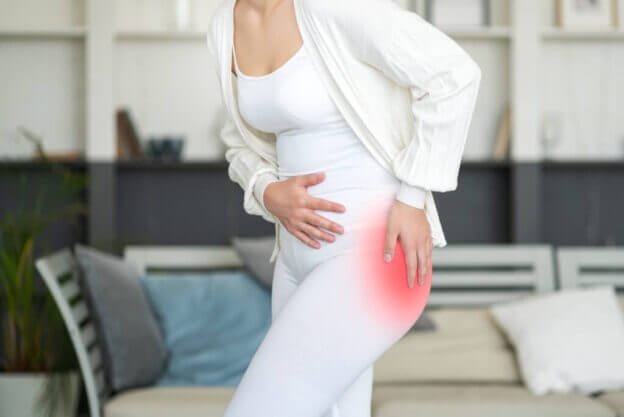
We may all experience hip pain from time to time. This discomfort can arise for many different reasons and is often a condition that affects quality of life. Hip bone pain can be caused by simple fatigue or post-exercise soreness, but it can also be a symptom of more serious health problems. In this article, we will discuss the possible causes of hip pain, the factors that trigger this condition, and effective treatment methods.


Hip Pain: Possible Causes

Pain in the buttocks is very common a complaint even if it is so, the causes can vary from person to person . This discomfort the body’s other parts experienced pains independent may be such as a23>, other health problems may also be related to it. Here are hip bone pain causes that may be some common factors that may cause

1. Piriformis Muscle and Nerve Compression

Many people experience pain in the buttocks due to the effect of the piriformis muscle. The piriformis muscle is located deep within your buttocks and assists in the movement of your leg. This muscle can sometimes press on a nerve, causing pain in the hip bones and legs. This is particularly common in people who sit for long periods or walk excessively. Nerve compression can cause symptoms such as numbness and tingling, as well as pain.

2. Hip Joint Problems

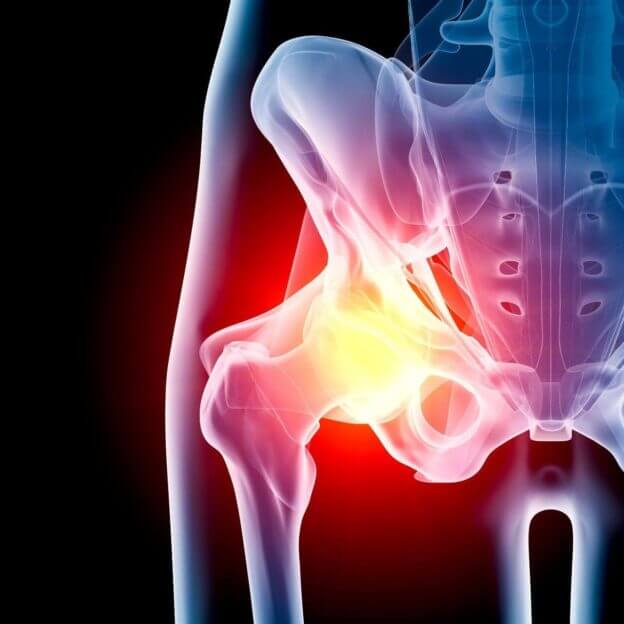
Any discomfort in the hip joint can lead to hip pain. Joint inflammation, osteoarthritis, muscle tears, or excessive strain on the hip joint often cause severe pain. As the cartilage in the joint wears down with age, the hip bones rubbing against each other can cause pain.

3. Bursitis

Bursitis, joints around fluid filled small sacs (bursae) inflammation condition. Hip joint area bursae inflammation, hip pain and limited movement may occur. Generally excessive use, prolonged sitting or even high-impact activities may cause bursitis may be the cause.

4. Muscle strains or tears

Hip pain can sometimes be caused by muscle strains or tears. Particularly in individuals who participate in sports, excessive strain can occur in the muscles around the hip. Such injuries are frequently seen in high-impact sports such as football and basketball. These situations can cause bruising, swelling, and limited movement in addition to pain.


Hip Bone Pain: Treatment Methods

Hip Bone Pain
Hip Bone Pain

Hip bone pain can be quite debilitating. Fortunately, it is possible to alleviate this pain with the right treatment methods. Here are some treatment methods you can try in this situation:

1. Physical Therapy

Physical therapy is one of the most effective methods in the treatment of hip pain . A physical therapist will recommend specific exercises to strengthen the hip muscles. a16> exercises to reduce the pain. These exercises make your muscles more flexible and improve your mobility and increase your ability to move more easily.

2. Ice Application and Hot Compress

Hip bone pain can be alleviated by first applying ice to the painful area. Ice reduces inflammation and relaxes the muscles. A warm compress can help relax the muscles and alleviate long-term pain.

3. Drug Therapy

Painkillers, anti-inflammatory drugs and muscle relaxants may help alleviate hip pain. However, medication is generally used to temporarily relieve pain and does not offer a permanent solution.

4. Surgical Intervention

Serious damage or inflammation of the hip joint may require surgical intervention. Surgical methods such as hip replacement or arthroscopy are used to treat serious problems with the hip joint.


Measures to Take to Prevent Hip Pain

Preventing hip pain can be achieved through certain lifestyle changes and precautions you can take. Here are some recommendations for maintaining healthy hips:

1. Regular Exercise Do

Regular exercises that strengthen the hip muscles may reduce the risk of hip pain in the long term. Low-impact activities such as walking, swimming, and cycling can help strengthen the hip joint without causing damage.

2. Correct Posture and Sitting Position

Incorrect posture or sitting position can lead to hip pain. If you sit for long periods, take care to keep your back straight and avoid putting too much strain on your hips. It is also important to change position frequently.

3. Pain-Free Weight Bearing

When lifting heavy weights, it is important not to overload your hip muscles with excessive load. Learning weightless load carrying techniques is essential to prevent pain in your hip bones. hip bones pain preventing can be helpful .

4. Pain-Free Sleeping in Bed

In bed correct sleeping position is hip health in terms of important. Lying on your side and bending your knees can prevent hip pain prevention may be helpful .


Result: Pain in the buttocks with headache to get over

Hip pain, although often temporary, can significantly affect quality of life. Regardless of the cause of the pain, it is possible to manage this condition with the right treatment methods and preventive measures. If your pain persists for a long time, it is advisable to consult a doctor for professional help.


https://fitnessandbeast.com/en/glutes/

Signs and Symptoms: What’s the Difference?

0
sign and symptoms
sign and symptoms
sign and symptoms
Signs and symptoms

Signs and symptoms are key clues in recognising an illness or health condition. Healthcare professionals distinguish between these two concepts to guide the diagnostic process. However, many people confuse these terms. In this article, we will discuss the definitions of signs and symptoms, the differences between them, and the signs and symptoms of common illnesses.

What is a symptom?

A symptom is a condition experienced by a patient but cannot be observed from the outside. Sensations such as headache, nausea, and dizziness fall into this category.

  • Examples:
    • Headache
    • Nausea
    • Lethargy

What is a symptom?

Symptoms are the observable signs of an illness. This includes conditions identified by a healthcare professional during a physical examination or measured using technological tools.

  • Examples:
    • Fever
    • Skin Rashes
    • Rapid pulse

The Differences Between Signs and Symptoms

The fundamental difference between signs and symptoms is observability. Signs are only felt by the patient, while symptoms can be observed by both the patient and others.

SignSymptom
Patient by is felt.From outside can be observed.
It is subjective.It is objective.

Why Are They So Important?

Signs and symptoms are critical for early diagnosis and treatment. For example, sudden chest pain may be a sign of a heart attack. Similarly, yellowing of the skin (a symptom) may be an indicator of liver disease.

Symptoms and Signs of Diseases

Flu (Influenza)

Symptoms: Sore throat, Fatigue, Muscle aches

Symptoms: High fever, Runny nose, Cough

Diabetes

Symptoms: Excessive thirst, Fatigue

Symptoms: High blood sugar, Slow healing of wounds, Dry skin

Hypertension (High Blood Pressure):

Symptoms: Headache, Dizziness, Ringing in the ears,

Symptoms: High blood pressure readings, Nosebleeds (in rare cases)

Heart Attack

Symptoms: Chest pain or tightness, Pain radiating to the left arm, shortness of breath

Symptoms: Irregular heartbeat, Cold sweats, Pale skin

COVID-19

Symptoms: Sore throat, Fatigue, Loss of taste and smell

Symptoms: Fever, Shortness of breath, Cough

Migraine

Symptoms: Severe headache, Sensitivity to light and sound, Nausea

Symptoms: Redness around the eyes (rarely), Vomiting

Asthma

Symptoms: Shortness of breath chest tightness, chest tightness sensation

Symptoms: Wheezing, Cough

Cancer

Symptoms: Extreme fatigue, Loss of appetite

Symptoms: Lump or swelling, Skin changes

Pneumonia

Symptoms: Chest pain, Shortness of breath

Symptoms: High fever, Cough

Tuberculosis (Consumption)

Symptoms: Night sweats, Loss of appetite loss

Symptoms: Persistent cough, bloody sputum

Hepatitis

Symptoms: Jaundice, Loss of appetite

Symptoms: Abdominal pain, urine colour darkening

Malaria

Symptoms: Shivering, Sweating

Symptoms: High fever, Headache pain

Meningitis

Symptoms: Neck stiffness, sensitivity to light

Symptoms: High fever, nausea and vomiting

HIV/AIDS

Symptoms: Extreme fatigue, Swollen lymph nodes

Symptoms: White patches in the mouth, Skin rashes

Chickenpox

Symptoms: Itching, Fatigue

Symptoms: Skin rashes, Fever

Measles

Symptoms: Sensitivity to light Sensitivity, Coughing

Symptoms: On the skin rashes, High fever

Rheumatoid Arthritis

Symptoms: Morning stiffness, Joint pain

Symptoms: Joint swelling, Limited movement

Hypothyroidism

Symptoms: Fatigue, Sensitivity to cold

Symptoms: Dry skin, Hair loss

Hyperthyroidism

Symptoms: Irritability, Palpitations

Symptoms: Swelling of the eyes, Weight loss

Depression

Symptoms: Persistent feeling of sadness, Loss of energy

Symptoms: Changes in appetite, Sleep disturbances

Anxiety Disorders

Symptoms: Constant worry, Palpitations

Symptoms: Sweating, Shivering


Result

Knowing the signs and symptoms of illnesses, is of great importance in terms of early diagnosis and correct treatment. Especially common diseases about information owning being, is a critical step in preventing health problems. If you notice these signs in yourself or your loved ones, without delay you should consult a health professional as soon as possible. Remember, health comes before everything!


For more articles on health, please click here.

https://fitnessandbeast.com/en/health/

Back Exercises | What Are They? | The Best Ones

0
Back Exercises
Back Exercises


Hello. In this article series, we will focus on back exercises. We will compile the most efficient, most isolated, and safest back exercises, and teach you in what order, with what form and weight, and with what type of warm-up to perform them.

As always, we will choose back exercises that hit the mark. We will avoid movements that can cause long-term injuries and explain why.

First, let’s get to know our back muscles.


Back Muscles

Back muscles


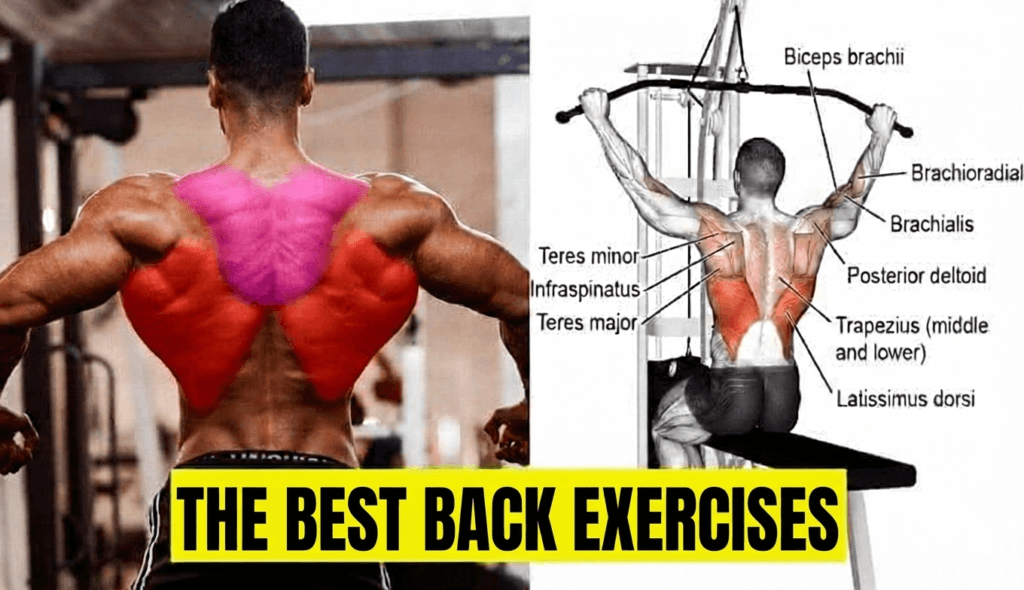
We can divide our back muscles into 4 parts: Trapezius, Lats, Mid-Back, and Lower Back. Let’s learn their names and functions in order.

Trapezius Muscles

Trapezius
Trapezius

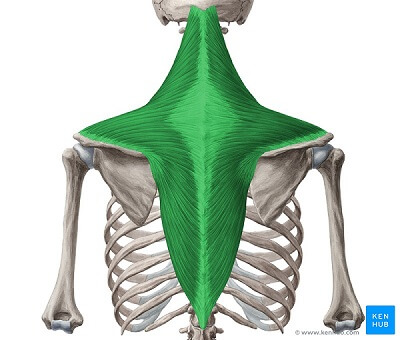
We generally know the trapezius as a muscle extending between the shoulder and neck, but a large part of the muscle forms the mid-back region.
They are divided into 3 parts.

The trapezius muscle starts from the occipital bone, one of the bones at the back of the skull, and extends down to the T12 vertebra. Laterally, it covers the scapula (shoulder blade) and the clavicle (collarbone).

  • Trapezius superior part: Forms the upper part of the trapezius muscle. This is the part between the shoulder and the neck.
  • Trapezius middle part: Forms the middle part of the trapezius muscle. This is the level where the shoulder blades are located.
  • Trapezius inferior part: This is the lowest part of the trapezius muscle. It is the area below the shoulder blades, which we define as the mid-back, and just above our lower back.

Functions of the trapezius muscles: Lifting the shoulder upward with the shoulder blade, moving the skull, pulling the shoulder blade backward, and pulling the shoulder and shoulder blade downward.


Latissimus Dorsi Muscles

Latissimus dorsi
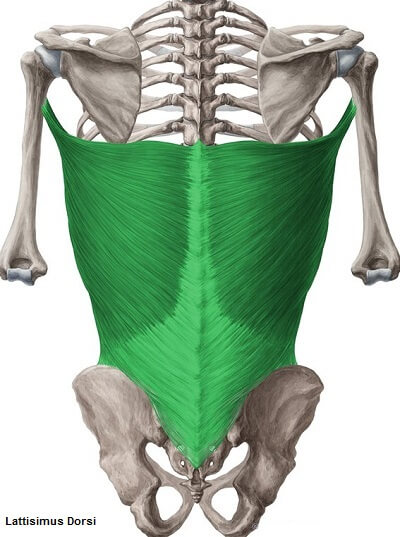
  • Latissimus dorsi: Also known as the lat muscle. It extends longitudinally from the tailbone and hip bone up to the starting level of the shoulder blade. Laterally, it attaches to the inner-upper part of the humerus (upper arm bone). Its primary function is to pull the upper arm towards itself and downwards laterally.


Mid-Back Muscles

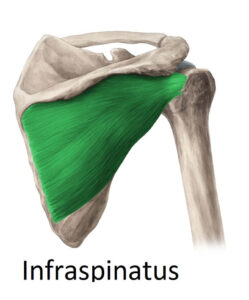
  • Infraspinatus: This is the muscle above the scapula (shoulder blade). It attaches to the outer-upper part of the humerus (upper arm bone). It pulls the humerus towards itself, providing external rotation.
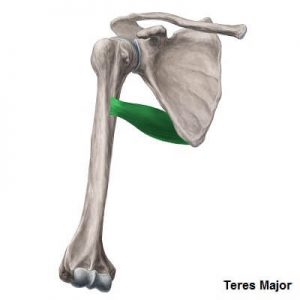
  • Teres major: Connects the lower part of the scapula (shoulder blade) to the inner-upper part of the humerus (upper arm bone). It causes internal rotation of the humerus, which has undergone external rotation.
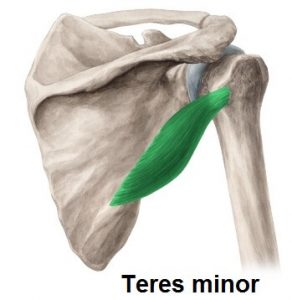
  • Teres minor: Located just above the teres major muscle. It connects the scapula (shoulder blade) to the outer-upper part of the humerus (upper arm bone) and causes external rotation of the humerus.
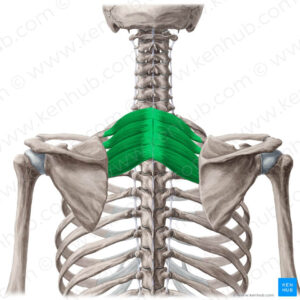
  • Serratus posterior superior: Starts by attaching to the spine from the lower end of the neck and connects to the upper-rear part of the ribs.


Lower Back Muscles

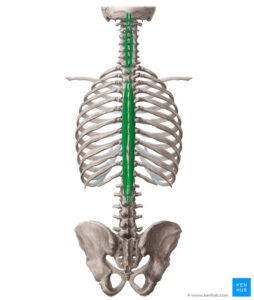
  • Spinalis thoracis: Muscles that support the spine and run longitudinally.
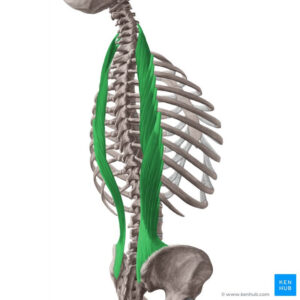
  • Longissimus thoracis: Starts from the tailbone, passes through the spine, and extends up to the neck.
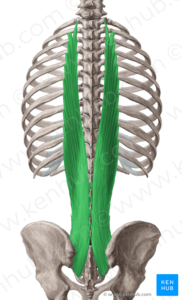
  • Iliocostalis: Starts from the tailbone, passes through the spine, and extends to the upper part of the posterior ribs.

Their primary functions are to keep the spine stable and to perform backward flexion and rotation of the spine.


Now that we’ve learned about our back muscles, let’s determine how to train them.


Choosing Back Exercises

First, identify your needs. Do you need lat development, trapezius, mid-back, or lower back? Perform a general assessment in front of a mirror to determine which muscle to prioritize.

Place your weakest muscle at the top of your program and work with heavy weights while you are fresh. If necessary, you can do 2 exercises targeting that muscle group.

The back exercise program we will prepare shortly will be valid for athletes who do not experience developmental disorders. (We haven’t seen many with developmental disorders in their back muscles, only friends who are unaware of their excessively large traps, whose necks are triangular instead of their bodies.)

And I mentioned that we would choose fundamental movements. For example, we know that the function of the latissimus dorsi – lat muscle – is to pull the humerus (upper arm bone) towards itself. Given this, while Lat Pulldown effectively performs this function for lat development, doing Deadlifts would be somewhat absurd.

I know you love Deadlifts, especially young people. But Deadlifts divide your strength across almost your entire body: legs, glutes, shoulders, back, lower back, arms. It is absolutely not an isolated movement. Does it build strength? Yes, it does. Does it provide confidence? Absolutely, like crazy. But Deadlifts often lead to sports injuries.

If you can recover with a few weeks or months of pain, you should be grateful.

Deadlifts are certainly not to blame for these injuries. The athlete who doesn’t warm up, doesn’t know their limits, and doesn’t understand proper weight progression is to blame.

The person who says, “I feel incredibly strong today. 100 kg is nothing? I’m going to Deadlift 150 kg” will eventually experience that injury.

We do not include movements that put a load on the spine and require a lot of experience in our list.

Over time, if you gain experience, your body adapts to this sport, and you know your limits, you can perform all challenging movements.

Note: Even though we showed beginners the correct form for deadlifts many times, no one could perform it with proper form before 6 months. They could do the movement with an empty bar or a broomstick, but with weight, the form was incorrect. The reason they couldn’t do it wasn’t a lack of understanding the movement, but rather their bodies, joints, and spines not being ready for that load yet.


Warm-up Before Back Exercises

What we observed most often was this: 5 minutes of running before a back workout, followed by 1-2 sets of pull-ups. First, let’s say that warming up is not the same as raising body temperature. Running before back exercises will not benefit you at all.

We explained what warming up means in this article: Warm-up Exercises

Especially if you are overweight and also doing pull-ups, you will both deplete all your strength at the beginning and invite injury.

Let’s describe the warm-up to be done before back exercises.

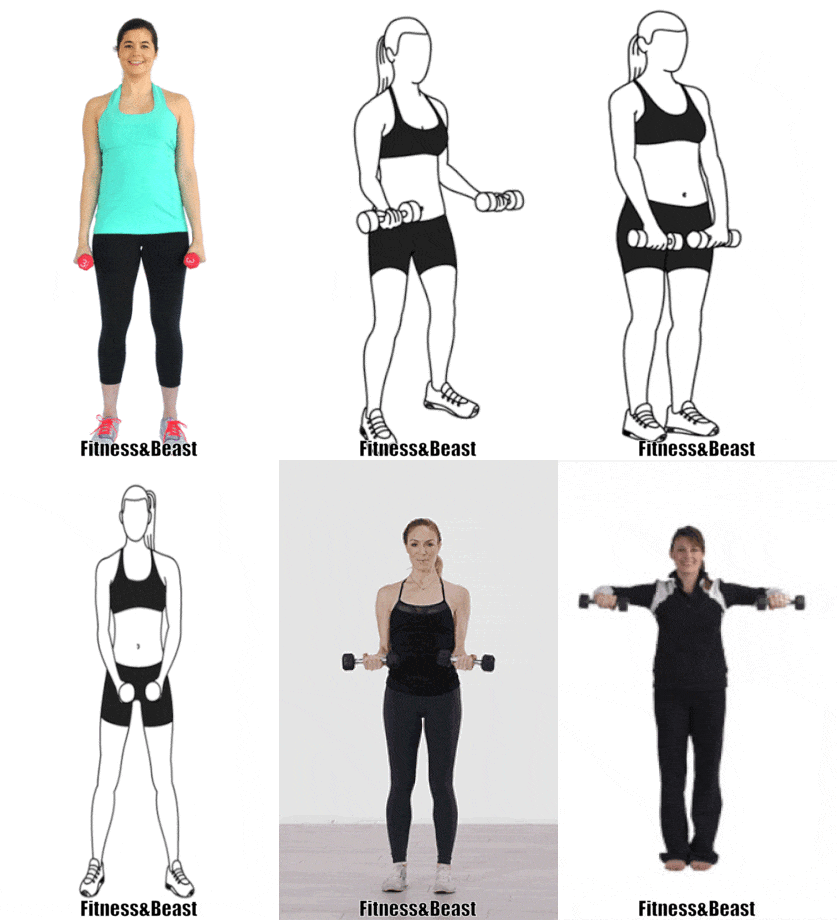
With the smallest dumbbells, for example, 5 kg. Perform the movements shown above, in order, for 15 repetitions each, without rest between sets. These movements will prepare your back and shoulder joints before your workout.

Then move to the lat pulldown machine and, again with a low weight, for example 5-10 kg (determine this yourself based on your strength level), perform 15 repetitions each of front pulldowns, rear pulldowns, wide-grip pulldowns, and close-grip pulldowns, without rest between sets.

Rest for 2-3 minutes, and now you are ready to do your back workout.

Why do we do these? Because you are about to start a heavy back workout.


Back Exercises

We will create a 6-movement back program for you. If your trapezius muscles are sufficiently developed, you can remove it and do 5 movements.

Since the trapezius muscles are connected to the shoulders and shoulder blades, they will automatically be worked in many fitness movements. However, if you still want big traps, you can do additional exercises.

(Trapezius muscles are more suitable for advanced, high-volume bodybuilders. In those with moderate and low volume, they can lead to an undesirable appearance.)

Let’s begin. Click on the movements to read the relevant article and be sure to learn their correct forms.


Lat Pulldown 4 x 10 Reps

back exercises

The Lat Pulldown is the opening movement of our back program and should be performed with heavy weight. Your training history determines what ‘heavy weight’ means for you. The best way to determine heavy weight is to feel a burn and exhaustion in your muscles at the end of 10 repetitions.

4 sets of 10 repetitions is the ideal number. When increasing weight, you can do 4 sets of 10 – 8 – 6 – 6. For the 6-rep sets, you need to use a new, heavier weight, and when performing 10-8-6-6, it is highly beneficial to drop the weight (1/3 of the total weight) without resting after the last set and perform an additional set for maximum repetitions.


Close Grip Lat Pulldown 4 x 10 Reps

back exercises at home

Our second exercise is the close-grip lat pulldown. It is performed with a close grip. Lat pulldowns with wide and close grips work the lat muscles from different angles and help tear muscle fibers that haven’t been torn from different angles. These beneficial tears are repaired by proteins, leading to further muscle growth.

Dumbbell Row 4 x 10 Reps

back exercises

The dumbbell row is also one of the exercises that should be done with heavy weight. The spine is stabilized by the knee and forearm, preventing it from being put at risk. It is our alternative to the Deadlift.

Seated Cable Row 4 x 12 Reps

back exercises

Now it’s time to create a pump effect in our lat and upper shoulder blade muscles that we worked in the previous exercises. In the seated cable row, fully extend your arms and pull your shoulder blades together at the peak of the contraction.

If you’re using moderate weights, you can go up to 15 repetitions to achieve the pump sensation. The pump sensation is recognized by a burning feeling in the muscles.

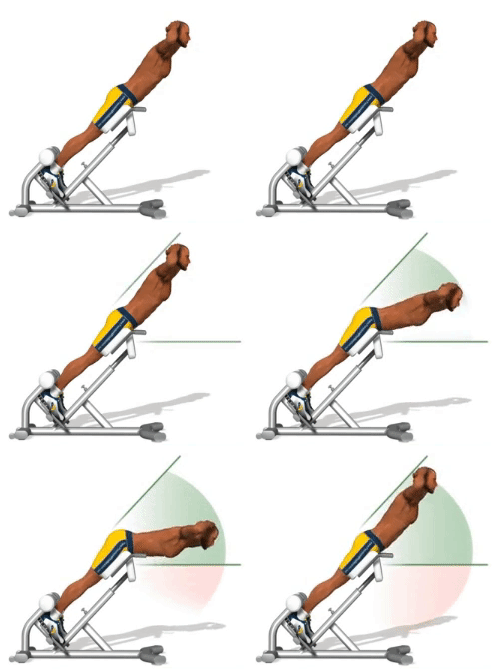
Reverse Hyperextension 3 x Max Reps

back exercises

This is one of the safest ways to work our lower back muscles. It effectively works both the lower back and glute muscles. To make the spine stronger, we must include this exercise in our program. If you are doing it for the first time, aim for 5-10 repetitions instead of max reps. You can increase the number over time.

Dumbbell Shrug 3 x Max Reps

back exercises at home

As we mentioned at the beginning. Only do it if you need to. It can be done with dumbbells or weight plates. The trapezius muscle will easily carry heavy loads. A burning sensation and muscle exhaustion should be felt at the end of the sets.


Final Words on Back Exercises

We did not include movements like Deadlift, Sumo Deadlift, T-Bar Row, or Pull-ups in our back program.

If you have sufficient muscle strength and joint endurance, you can use a program like the one below.

If women want to prioritize working their glute and leg muscles, they can use the sumo deadlift back exercise.

Additionally, if we need to share tips for back exercises, these can be done:

You can go heavy for 4 movements and make the last movement pump-focused. Remember, back muscles are large in mass and require heavy weights.

The day before and the day after a back workout, you should either rest or work a smaller muscle group. An example sequence could be: Chest, Shoulders, Back, Arms, Legs, Abs.

If you need more back exercises, we are adding the relevant categories below.

For all back exercises: You can check out the https://fitnessandbeast.com/sirt/ category.

We wish everyone good back workouts.

Warm-Up Exercises | What They Are | How to Do Them

0
Warm-up exercises
Warm-up exercises

What is a Warm-Up Exercise?

Isınma hareketleri spor, fiziksel çalışma öncesi yapılan mini egzersizlerdir. Düşük ağırlıklarla çalıştırılacak olan bölgenin kas ve eklemlerini aktiviteye hazır hale getirmek için uygulanır.

The commonly known warm-up consists of running on a treadmill or stretching exercises before exercise, and this is completely wrong. For example, if you are going to do shoulder training or other upper body training, running on a treadmill would be pointless.

Performing stretching exercises before starting exercise can lead to much worse results. Stretching cold muscles that are not ready for activity will damage the muscles and joints.

Stretching exercises can be performed between or after training sessions and are beneficial against muscle soreness. Those who have served in the military know this. Stretching exercises performed after military sports training almost completely eliminate all soreness experienced the next day due to stiffness.

No matter how advanced an athlete you are, you must always perform a warm-up routine before training. Failure to do so may result in rotator cuff injuries, tendon damage, cruciate ligament damage, meniscus damage, and various joint and muscle injuries.

We were like those doom-mongering health websites that diagnose headaches as cancer, but I absolutely had to issue these warnings.

Because I suffered from Achilles tendon, rotator cuff and triceps tendon pain for a long time. Once I understood the importance of warm-up exercises, these problems came to an end.

Now I will teach you which warm-up exercises to perform during which training sessions. We will divide the areas to be prepared for sport into two groups: upper body and lower body.

On the day we do that particular workout, for example chest, as it involves the upper body, we will do upper body warm-up exercises and then do a low-weight press and fly exercise for the chest.

You may be a bit confused, but as you read on, the situation will become clearer.


Upper Body Warm-Up Exercises

There is a simple warm-up exercise that should be done for chest, shoulder, back, and arm exercises. You will perform each movement 10-15 times using the lightest dumbbells. (I showed 1-2 repetitions so the GIF wouldn’t take up too much space. No confusion.)

These movements are a compilation of flexion, extension, abduction, adduction, rotation, elevation and depression movements used in physiotherapy, adapted for fitness training.

Chest exercises shrug, triceps, front press exercises warm-up do also what relevance? Don’t say that. The chest muscle’s primary function is to pull the upper arm towards itself a16> pull it towards itself and while doing this it also rotates the shoulder and does this. Additionally as the elbow joint works. Movement load under complete for front shoulder muscle assists and the weight is transferred immediately to the triceps back arm muscle also works.

As you can see, a combined movement triggers nearly 3-4 muscles and joints. If you attempt chest press exercises with heavy weights without performing a warm-up, at least one of these muscles or joints will inevitably cause you problems.

That’s why you should do the warm-up exercises mentioned above before starting any upper body exercises. a9> upper body exercises before you begin them. Fast fast done and movement transitions waiting is not involved maximum 1 minute long it takes.


Lower Body Warm-up Exercises

Lower body warm-up exercises

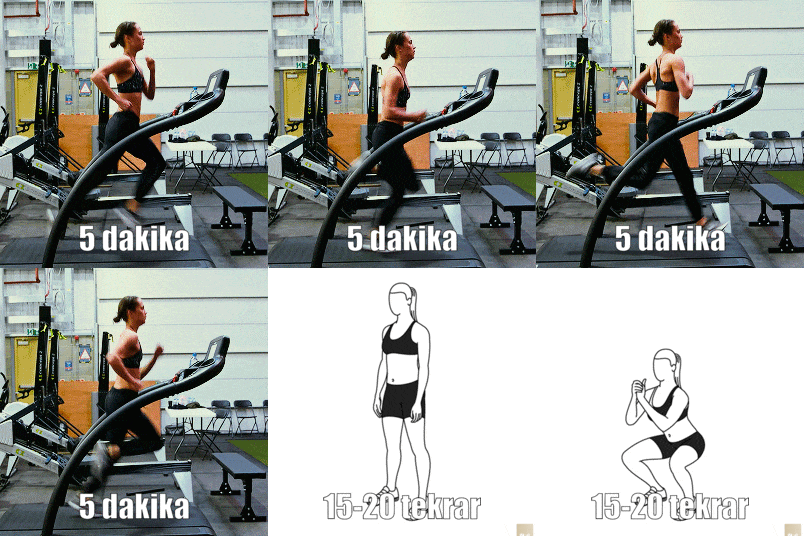
Legs, hips workout duration 5 minutes moderate pace jogging and weightless 15 – 20 squats will be sufficient.


Chest Warm-up Exercises

After performing the upper body warm-up exercise described above, let’s say you are going to start your workout with a chest press and the weight you will be lifting is 30 kg. First, do 15-20 repetitions at a moderate pace with 10 kg. Prepare the muscle for heavy work and then perform your 30 kg dumbbell press.

We generally use a ratio of 1/3 and are satisfied with the results.

You’ve finished the presses and will then do flyes. Let’s say you’re using 15 kg weights. Before starting the movement, do 15-20 reps with 5 kg weights at a moderate pace.

The time you will spend warming up is 1 minute, press warm-up 1 minute, fly warm-up 1 minute. A total of 3 minutes of warm-up movements will prevent injuries that could cause you to stop doing this sport.


Shoulder Warm-Up Exercises

Basic upper body warm-up exercises after doing then 3 groups separated shoulder muscles which group you will work out heavy load without going into more light a load with quickly 15 – 20 repeat you can do it.

For example; front, middle, rear as three groups divided shoulder muscles 2 each movement, totalling 6 movements in one programme you have created.

First in line is the middle shoulder and you begin with the lateral raise using it.

Before starting your 4-set programme, begin with the lightest dumbbell. a14> arms out to the side fully extended for 15 – 20 repetitions at a moderate speed additional one starting set do. After interval set then heavy load with medium shoulder training continue get.

You will use the same method on the front shoulder and back shoulder.


Back Warm-Up Exercises

Basic upper body warm-up exercises should be done first by all means.

The most common mistake I see in warming up back exercises is trying to warm up with pull-ups. If you are heavy, this can be even more dangerous. Instead of this use the lat pulldown machine and with a low weight 5 – 10 repetitions will be in the form of forward pulls, backward pulls , open grip pull, closed grip pull perform. Set interval give and then training continue get.

If you are going to do deadlifts, prepare your back for training with 10-15 repetitions using an empty bar. Similarly, you can do 10-15 repetitions with low weight using the T-bar row, another exercise performed with heavy loads. Remember. You will warm up sets total set number add as at the beginning you will do.


Arm Warm-up Exercises

Basic upper body warm-up exercises alone will suffice. If you are only increasing to a new weight, for example, if you are going from 15 kg to 17.5 kg in the barbell curl, start your first set with 15 kg and then continue with 17.5 kg for the next 3 sets.


Leg and Hip Warm-Up Exercises

Perform the basic lower body warm-up exercises. If you are going to do barbell squats, warm up your back and hips with an extra set using an empty barbell at the start.

Keep this in mind. Uncontrolled weight increases in squats will eventually lead to injury. Your leg, hip and back muscles can bear the load, but your spine will not be as resilient.

Know your limits. If the last weight you used is still enabling your progress, do not increase the weight.


Abdomen Warm-up Exercises

You can perform extra warm-ups for your abdominal muscles under the following conditions. If you are using a weight plate while doing sit-ups, do your first extra set without weights. If you are doing weighted leg raises, do a set without weights.


Warm greetings to everyone.

Shoulder Exercises | The Best Ones | Detailed Guide

0
Omuz Hareketleri
Omuz Hareketleri


Hello. We can immediately list 6 of the best shoulder exercises to be used in a shoulder program, but will these 6 best shoulder exercises meet your development needs?

If you are experiencing shoulder muscle development imbalance or have a hunched posture, randomly chosen 6 exercises could worsen these issues.

First, I will teach you about the shoulder muscles, and then how to determine your needs. After learning these, we can share the 6 best exercises.


What Are the Shoulder Muscles?

shoulder exercises

As seen, we can divide the shoulder muscles into three groups: anterior, lateral, and posterior. These are;

Deltoid anterior head: This is the shoulder muscle located at the front of the body. It originates from the clavicle (collarbone) and attaches to the humerus (upper arm bone). It works when lifting the arm forward.

Deltoid lateral (middle) head: This is the middle shoulder muscle located on the outer part of the body. It originates from the clavicle (collarbone) and scapula (shoulder blade), extending to the beginning of the Brachialis (muscle under the biceps) on the humerus (upper arm bone). It works when lifting the arm sideways.

Deltoid posterior head: This is the rear shoulder muscle. It connects the scapula (shoulder blade) to the side of the humerus (upper arm bone). It works when pulling the arm backward.

As you read above, each sub-muscle group moves the arm in different directions. For this reason, a single shoulder exercise or randomly selected exercises cannot be expected to effectively work all sub-muscle groups.


Which Shoulder Exercise?

On shoulder days, we usually start with dumbbell shoulder press, add a barbell shoulder press, then move on to lateral raises, front raises. And let’s throw in a shrug just for good measure.

Let me tell you what will happen if you do it this way. Your anterior shoulder muscles are already actively working on chest days, and on shoulder day, you prioritize the anterior shoulder, going heavy, and it just keeps growing. The posterior shoulder, however, is forgotten. You notice that when you look at your body from the side, it seems to cause a hunched posture.

You already had strong traps genetically. On top of that, you did heavy shrugs, and instead of your back becoming triangular, your neck became triangular…

It might sound a bit exaggerated, a bit like a fairy tale, but we’ve seen these results many times, friends. The shoulder muscle group is more decisive for the overall appearance of the body than others. For this reason, I will teach you how to determine your needs.

shoulder exercises
Shoulder exercises

Look. The image above proves what you might have thought I was exaggerating earlier. If you make unconscious exercise choices, this will unfortunately be your result.

So what should this individual have done? They should have created a 6-exercise shoulder program, dedicating the first two exercises to the lagging muscle group, which is the rear deltoids. The next two exercises should have been dedicated to the moderately developed side, or medial, deltoids.

For the last two exercises, since they were already fatigued and the amount of weight they could lift had decreased, they could have dedicated them to the already well-developed anterior shoulder muscles, or even skipped anterior shoulder exercises entirely if there was a very significant developmental imbalance.

The anterior shoulder already works during chest exercises and during the negative, or eccentric, phase of back movements, friends. The traps work the same way. Every time you try to lift weight from the ground, they work to stabilize the skeleton.

It’s simple to try. Touch your right trap with your left hand and simultaneously lift a light weight with your right hand. You’ll see how it contracts.

The summary is this: Prioritize the lagging muscle group. Add an extra exercise if necessary. Go heavy when your strength is fresh.

This way, you can prevent developmental imbalances and achieve a better appearance.


Best Shoulder Exercises

Now it’s time for the best shoulder exercises. But best according to whom, and based on what? Let’s explain that too.

When choosing exercises, we look at how much a given shoulder exercise works the muscle for its primary function. For example, the posterior shoulder muscle. Its primary function is to pull the arm backward, and the undisputed best exercise for this is the facepull.

Or the middle shoulder muscle. Its primary function is to abduct the arm sideways, and the best exercise for this under load is the lateral raise.

And then experience comes into play. Lateral raise, but which one? First, the heavy load one, like Nautilus lateral raise, and then dumbbell lateral raise with arms fully extended, performed with lighter weight for a pump.

In the exercises I will provide below, I will make a dual ranking for individuals who do not experience developmental imbalance or lag. You, however, will determine the ranking according to your own needs. We will try our best to help you determine your needs in the Q section.

Be sure to click on the exercises above to read and learn how to perform them and their correct forms.


Middle – Lateral Shoulder Exercises

Dumbbell Lateral Raise 4 x 10 reps.

Shoulder exercises

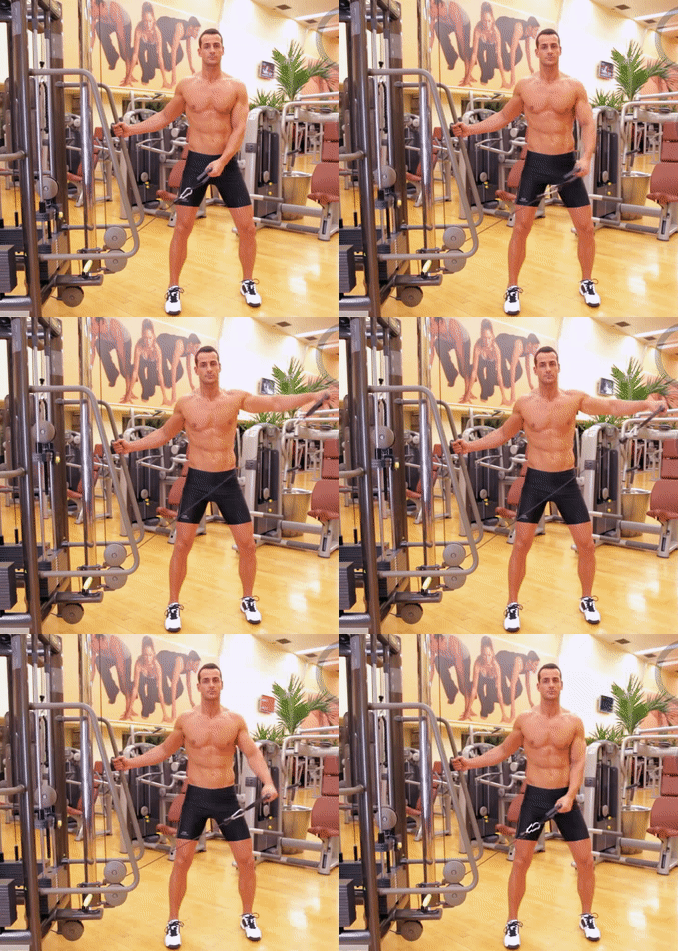
One Arm Cable Lateral Raise 3 x Max reps.

shoulder exercises

For our first shoulder lateral raise exercise, pay attention to using heavy weight. Try to keep your arms fully extended as much as possible to achieve maximum development. For the second exercise, the maximum desired number of repetitions should exceed 15. Again, arms should be fully extended.


Posterior Shoulder Exercises

Facepull 4 x 10 reps.

Rear shoulder exercises

Bent Over Lateral Raise 4 x 10 reps.

fitness

For the 3rd and 4th exercises, we chose the posterior shoulder. As we said, if you are experiencing a lagging posterior shoulder, you can use these first. Go heavy with these two exercises, friends. The posterior shoulder muscles don’t work much in other exercises. Even if they work a little during the eccentric phase of a seated row, it’s not enough. Do these two justice.


Anterior Shoulder Exercises

Dumbbell Front Raise 4 x 10 reps.

program

Dumbbell Shoulder Press 3 x Max reps.

dumbbell shoulder press

We dedicated the last two exercises to the anterior shoulder muscle. Why did we leave them for last? Because this muscle group is constantly working with other movements. Why did we leave the Dumbbell shoulder press, considered the most fundamental shoulder exercise, for last, and on top of that, said 3 sets of maximum reps?

Because we went heavy on the first 5 exercises. The shoulder press works not only the anterior muscle but also in conjunction with others. If performed with moderate weight and maximum reps at the end of the exercise, it provides an excellent pump effect to the muscles we’ve torn by going heavy in other exercises. You’ll be surprised how swollen your shoulders are at the end of the program.


Final Word

The 6 exercises we’ve chosen will ensure significant development in your shoulders. We guarantee it. Were there more effective, heavier exercises we could have included? Of course there were.

For example, the barbell shoulder press. However, to perform this exercise, you need prior experience. Your joints need to be healthy. A rotator cuff tear will keep you away from fitness for a long time.

Additionally, I can almost hear you asking about traps and shrug exercises. The trapezius is a back muscle. Back muscles start from the base of the skull and extend to your lower back. They are actively worked on back days. Given this, we do not include trapezius muscles in the program.

However, if you have a large physique and can properly showcase your trapezius muscles, you can add one of the Dumbbell or Barbell Shrug exercises to the end of your back program. (Upright row, like barbell shoulder press, is also an exercise that should be performed with caution.)

Shoulder exercises are not limited to these 6 movements. You can easily access dozens of shoulder exercises from the menu tab of our website.

Good luck with your workouts everyone.

Full Body Workout Program

0
Full body antrenman programı
Full body workout program

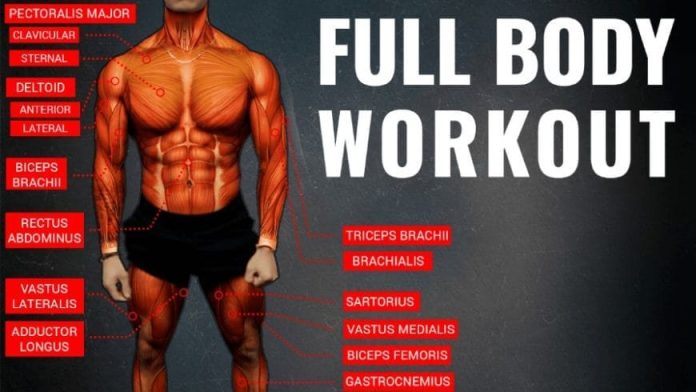
Full body workout is a training program where we work all muscle groups in our body on the same day.

The most effective program we can recommend for fitness beginners, those who want to lose weight, and those who want to tone up is the Full body workout program.

The goal of Full body workouts, unlike split and other training types which focus on muscle growth, should be to burn fat by engaging the nervous system, maintain fitness, and adapt the nervous system to fitness for beginners.

In Full body workouts, our repetition count should be between 15-20 reps, not 8-12 reps as in split workouts.

We should also adjust our weights so that we can perform 15-20 repetitions. If we feel nothing in our muscles after completing one set, it means the weights need to be increased.

Especially women’s question, which has become an urban legend: “If I lift weights, will my muscles get big?”

First of all, it is almost impossible for a woman’s muscles to grow excessively and become unsightly through natural means.

Since their bodies do not contain sufficient levels of testosterone, growth like that of men should not be expected.

Furthermore, since the Full body workout program is not a hypertrophy workout, it will not cause growth like other training programs.


(You can access detailed explanations of the relevant exercise by clicking on the movement names)


DAY 1

20 minutes of running should be done at the beginning of the workout. This will increase our body temperature and help with fat burning throughout the workout.


DAY 2

  • TREADMILL / CARDIO / 20 MINUTES

  • BICYCLE / CARDIO / 20 MINUTES

  • ELLIPTICAL / CARDIO / 20 MINUTES

  • BURPEES – JUMPING JACK – MOUNTAIN CLIMBER – SKIPPING ROPE / HIIT / 4 MINUTES

Perform Burpees, Jumping Jacks, Mountain Climbers, and Skipping Rope for 20 seconds each, then rest for 10 seconds. This will last a total of 4 minutes. These are among the most effective fat-burning exercises.

  • CRUNCH / ABS / 3 SETS x 15 REPS

  • LEG RAISE / ABS / 3 SETS x 15 REPS

  • RUSSIAN TWIST / ABS / 3 SETS x 15 RIGHT-15 LEFT

In our Full body workout program, two different days are designated: one day for full body weight training and one day for cardio.

The recommended full body workout is 4 days a week.

  • MONDAY: FULL BODY WORKOUT

  • TUESDAY: CARDIO

  • WEDNESDAY: REST

  • THURSDAY: FULL BODY WORKOUT

  • FRIDAY: CARDIO

  • SATURDAY-SUNDAY: REST


WHO IS PERSONAL TRAINER MERT YILMAZ?


On this journey to lose weight, increase muscle mass, stay in shape, and be healthy, a coach who will put in as much effort as you is very important.

Let your goals be my goals.

I am studying at Ege University, Faculty of Sports Sciences.

I have certifications in Wellness healthy lifestyle coaching, football coaching, and Pilates.

Countless students have achieved their goals and found happiness on this journey with me.

If you have the time but lack the courage, let’s find that courage together.

Our personal trainer packages;

Consists of 12 lessons per month, and a diet plan is included in the package.

For more detailed information;

instagram: @mertyilmazsporakademi

contact no: +90 530 340 0743